Brick Pavers vs. Concrete Pavers: Key Differences Explained
People searching for brick pavers or concrete pavers installation are typically looking to enhance their outdoor spaces, and local contractors can expertly handle the installation to meet their needs.
If you're considering upgrading your outdoor space, understanding the differences between brick pavers and concrete pavers is an important first step. Property owners in the area often explore this topic to make informed decisions about durability, appearance, and long-term maintenance. Whether planning a new patio, walkway, or driveway, knowing how each material performs can help ensure the results meet expectations. Local contractors specializing in paver installation can provide expert guidance tailored to your specific needs, helping you choose the right option for your property.
As you delve into brick pavers vs. concrete pavers: key differences explained, it's helpful to consider practical factors like style preferences, longevity, and installation requirements. Each material offers unique advantages that can influence the overall look and functionality of outdoor spaces. Connecting with experienced service providers in the community can make the selection process smoother, ensuring the installation aligns with your vision and withstands the test of time. Keep reading to learn more about how these options compare and how local experts can assist in bringing your project to life.
- Brick pavers installation is often chosen for projects requiring a classic, timeless appearance, with local contractors focusing on precise fitting and durable mortar joints. Concrete pavers installation appeals to those seeking versatile, cost-effective surfaces, with service providers emphasizing quick installation and uniform color options. Brick pavers installation may be preferred for historic restorations or decorative pathways, where local pros pay attention to intricate patterns and traditional craftsmanship. Concrete pavers installation is suitable for large-scale driveways or patios, with local contractors prioritizing strength and ease of maintenance. Brick pavers installation can be ideal for custom designs and textured surfaces, with service providers ensuring proper base preparation for long-lasting results.
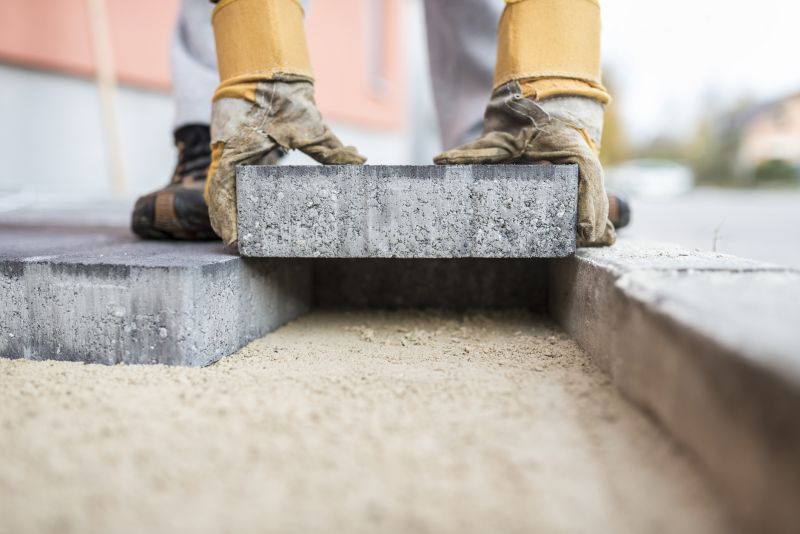
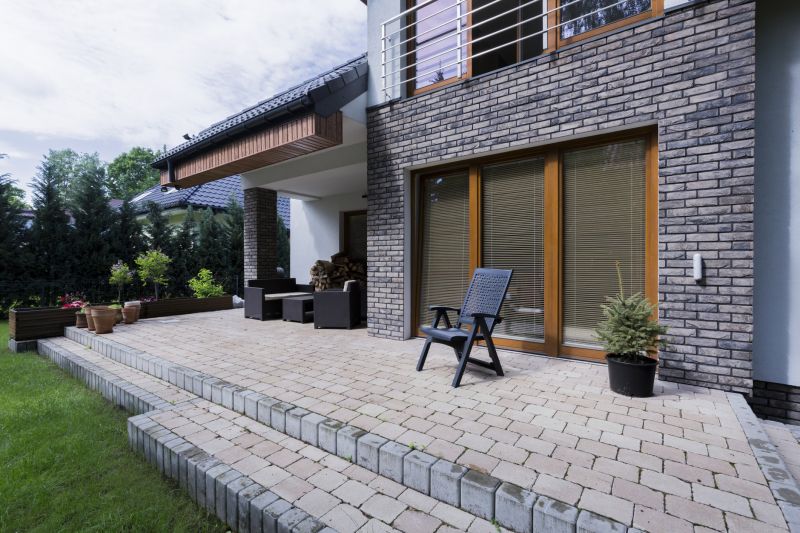
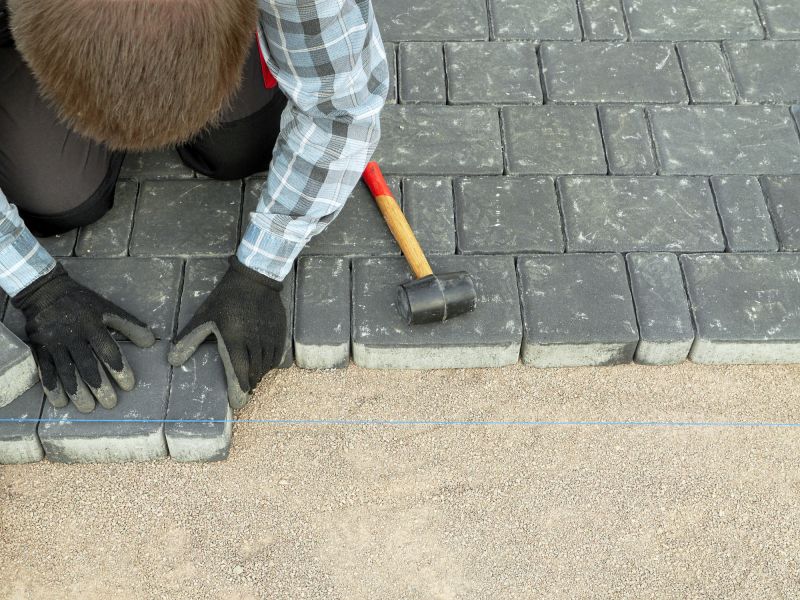
When homeowners search for information about brick pavers versus concrete pavers, they are often trying to understand the fundamental differences between these two popular paving materials. This comparison typically arises during planning for outdoor upgrades such as patios, walkways, driveways, or pool decks. Property owners want to know which material will best suit their aesthetic preferences, durability needs, and maintenance expectations. The decision is usually driven by the specific look they want to achieve, how well the surface will withstand foot traffic or weather conditions, and how the material aligns with the overall style of the property. Local contractors who specialize in paver installation can provide insights into these differences and help guide homeowners toward options that match their project goals.
The types of problems or plans associated with choosing between brick pavers and concrete pavers often involve considerations around longevity, appearance, and installation complexity. For instance, some homeowners may be concerned about how each material ages over time or how easily it can be repaired if damaged. Others might be planning a driveway that needs to handle frequent vehicle traffic or a decorative patio that emphasizes aesthetic appeal. These projects are common on properties with varied styles, from traditional to modern, and often involve features like intricate patterns or color accents. Local service providers experienced in paver installation can assess the specific needs of a property and recommend the most suitable material based on the intended use, climate, and desired visual effect.
Property types that frequently come up in discussions about brick pavers versus concrete pavers include residential homes, commercial properties, and community spaces. Residential properties often feature patios, walkways, or driveway surfaces where homeowners seek a balance of durability and visual appeal. Commercial properties, such as retail centers or office complexes, may prioritize long-lasting surfaces that can handle high foot or vehicle traffic. Community parks or public plazas also benefit from the versatility and aesthetic options offered by pavers. The choice of material can depend heavily on the property's style, usage demands, and the local climate. Experienced local contractors can help property owners evaluate these factors and select the right paver type to meet their specific project requirements.
Understanding the key differences between brick pavers and concrete pavers helps homeowners make informed decisions about their outdoor projects. Brick pavers are known for their classic, timeless appearance and natural variation in color and texture, which can add a distinctive charm to any property. They are often more labor-intensive to install and may require more maintenance over time but tend to age well with a traditional look. Concrete pavers, on the other hand, offer a wider range of shapes, sizes, and colors, and are typically easier to install and repair. They tend to be more cost-effective upfront and can be designed to mimic natural stone or other materials. Local contractors who specialize in paver installation can help clarify these differences and recommend the best material based on the project's aesthetic goals, functional needs, and property characteristics.
Patio and walkway installation - local contractors experienced in paver projects can help design and install durable and attractive patios or walkways using brick or concrete pavers.
Driveway paving services - specialists skilled in paver installation can assist with creating long-lasting driveways that require knowledge of different paver materials and techniques.
Landscape edging projects - local pros can provide expertise in installing paver borders and edging to define garden beds and pathways with precision.
Outdoor stair and step construction - experienced contractors can build safe, stable stairs and steps using pavers, considering the differences between brick and concrete materials.
Pool deck paving solutions - local service providers can help select and install suitable paver types for pool surrounds, ensuring slip resistance and aesthetic appeal.
Retaining wall construction - specialists can incorporate paver materials into retaining walls, leveraging their knowledge of structural and aesthetic considerations.
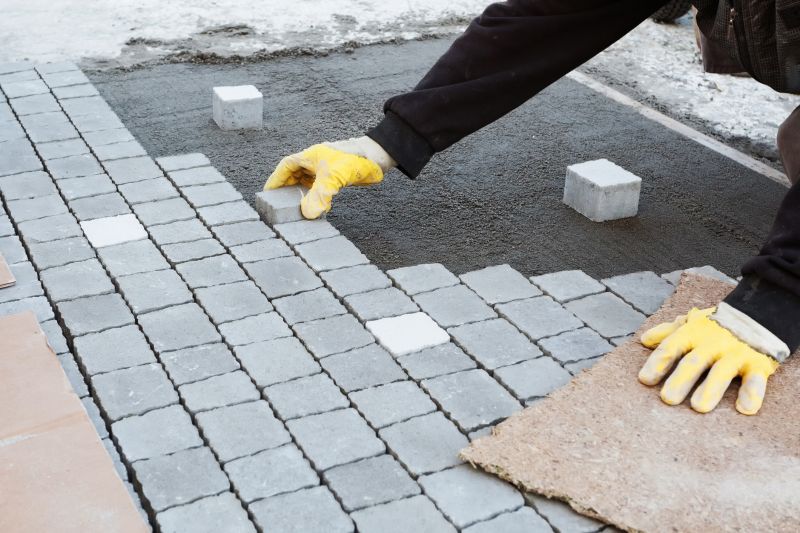
When comparing service providers for brick pavers versus concrete pavers installation, it is essential to consider their experience with similar projects. Homeowners should inquire about the contractors’ background in working with both types of pavers, paying attention to the complexity and scale of past jobs. A contractor with a proven track record in installing either brick or concrete pavers can provide insights into the unique challenges and best practices associated with each material, helping to ensure the chosen installer understands the nuances of your specific project. This experience can contribute to a smoother installation process and a more durable, visually appealing result.
Clear, written expectations are a vital aspect of selecting a reliable service provider. Homeowners should request detailed proposals that outline the scope of work, materials to be used, and the estimated process from start to finish. This documentation helps prevent misunderstandings and ensures that both parties are aligned on project goals. When evaluating local contractors, it’s helpful to ask how they communicate progress and address questions throughout the project. Good communication fosters transparency and confidence, making it easier to navigate decisions related to the differences between brick pavers and concrete pavers, such as maintenance requirements or aesthetic preferences.
Reputable references and a history of quality work are crucial when choosing between local contractors for paver installation. Homeowners should seek out reviews or testimonials from previous clients who had similar projects completed, especially those involving either brick or concrete pavers. Speaking with past customers can reveal how effectively the contractor manages projects, maintains professionalism, and handles any issues that arise. Additionally, it’s beneficial to assess how well the service provider communicates during the initial consultation, as clear and responsive communication is often indicative of a positive working relationship. This due diligence can help ensure that the chosen contractor is capable of delivering results that meet expectations for both types of pavers.
Get a Quote for Brick Pavers Or Concrete Pavers Installation
Property owners often search for brick pavers vs. concrete pavers: key differences explained when they are planning practical projects around their homes and businesses. Local pros provide Brick Pavers or Concrete Pavers Installation services for everyday jobs and straightforward project options.
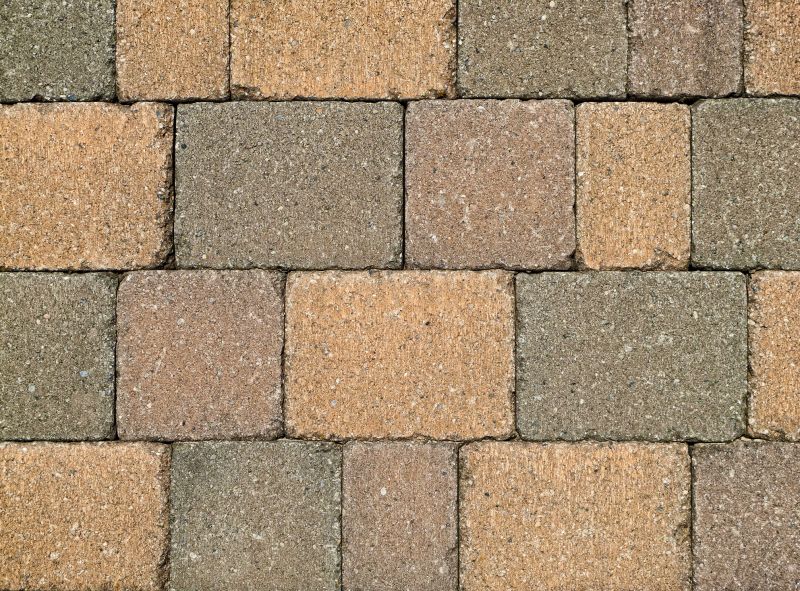
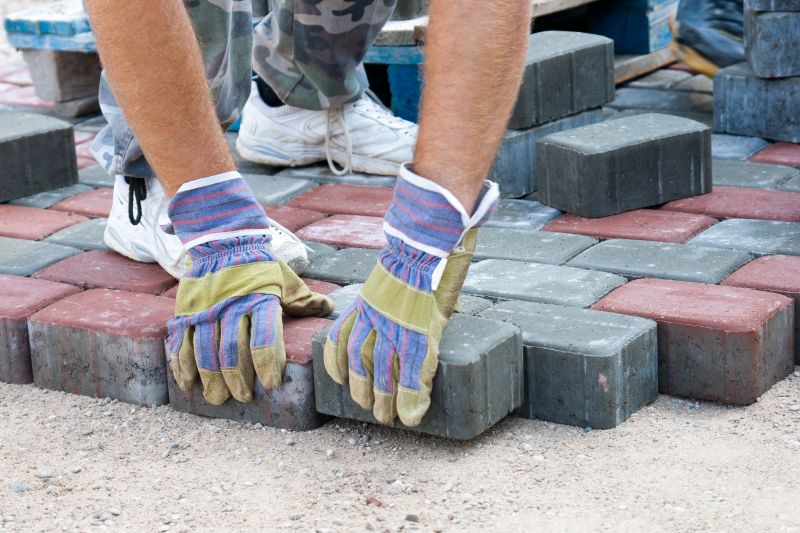
When considering driveway or patio projects, property owners often look into the differences between brick pavers and concrete pavers to determine which material best suits their needs. Brick pavers are known for their classic, timeless appearance and durability, making them a popular choice for those wanting a traditional aesthetic that can withstand heavy foot traffic and weather conditions. Concrete pavers, on the other hand, tend to be more versatile in design options and can be customized in various shapes, sizes, and colors, which appeals to property owners seeking a more modern or varied look.
Property owners in the area might explore this topic to understand which material offers better longevity, maintenance, or style for their outdoor spaces. Local contractors who specialize in paver installation can help evaluate specific project requirements, such as the desired appearance, budget, and durability needs. Whether choosing brick pavers or concrete pavers, connecting with experienced service providers can ensure the installation is handled properly, resulting in a finished surface that complements the property and stands up to everyday use.
Get a Quote for Brick Pavers Or Concrete Pavers Installation
What are the main visual differences between brick pavers and concrete pavers? Brick pavers typically have a classic, textured appearance with warm tones and a natural look, while concrete pavers often have a smoother surface and can be customized with various colors and patterns by local contractors.
How do the durability and lifespan of brick pavers compare to concrete pavers? Brick pavers are known for their long-lasting durability and can last for decades with proper installation by local service providers, whereas concrete pavers are also durable but may be more prone to cracking over time depending on the soil and installation quality.
Are there differences in maintenance requirements between brick and concrete pavers? Brick pavers generally require less maintenance and can be easily replaced if damaged, while concrete pavers may need periodic sealing and repairs if cracks develop, with local pros able to advise on best practices.
Can local contractors help with the installation of both brick and concrete pavers? Yes, local service providers are experienced in installing both types of pavers, ensuring proper placement, leveling, and sealing for a durable and attractive finish.
Which type of paver is more suitable for different outdoor environments? Brick pavers are often preferred for traditional or historic settings due to their aesthetic appeal, while concrete pavers are versatile and can be adapted for modern designs and various outdoor conditions by local contractors.
Durability considerations - Property owners can choose between brick and concrete pavers based on their expected foot traffic and weather conditions, with local contractors helping assess which material lasts longer in specific environments.
Design flexibility - Homeowners planning decorative or intricate patterns can work with local service providers to select the paver type that best complements their aesthetic vision.
Installation techniques - Understanding the differences in installation methods allows property owners to collaborate with local pros to ensure proper placement and longevity of the pavers.
Maintenance needs - Property owners can plan for upkeep by consulting local contractors about the maintenance requirements unique to brick versus concrete pavers.
If you are thinking about brick pavers vs. concrete pavers: key differences explained for a property, this guide is meant to help you understand this topic, the typical project types, and how different options might fit your plans.
When you are ready, you can use the quote form on this page to share a few details about your project. From there, local pros can review the basics and follow up with options that match what you have in mind.
Get a Quote for Brick Pavers Or Concrete Pavers Installation